United Kingdom / journal
3D Segment Tracking & Depth Camera Applications in Sports Science
Overview of 3D segment tracking and depth camera sports tracking in UK sport science. Covers gesture recognition biomechanics, motion capture algorithms and real-time.
3D segment tracking and depth camera sports tracking are changing how coaches, physiotherapists and researchers measure movement. This article explains the basics and practical uses of depth cameras, gesture recognition biomechanics and motion capture algorithms in a clear, everyday way aimed at readers across the United Kingdom. We cover common approaches such as Kinect segment tracking and body joint tracking, how real-time motion capture is achieved, and what current kinematic tracking research shows.
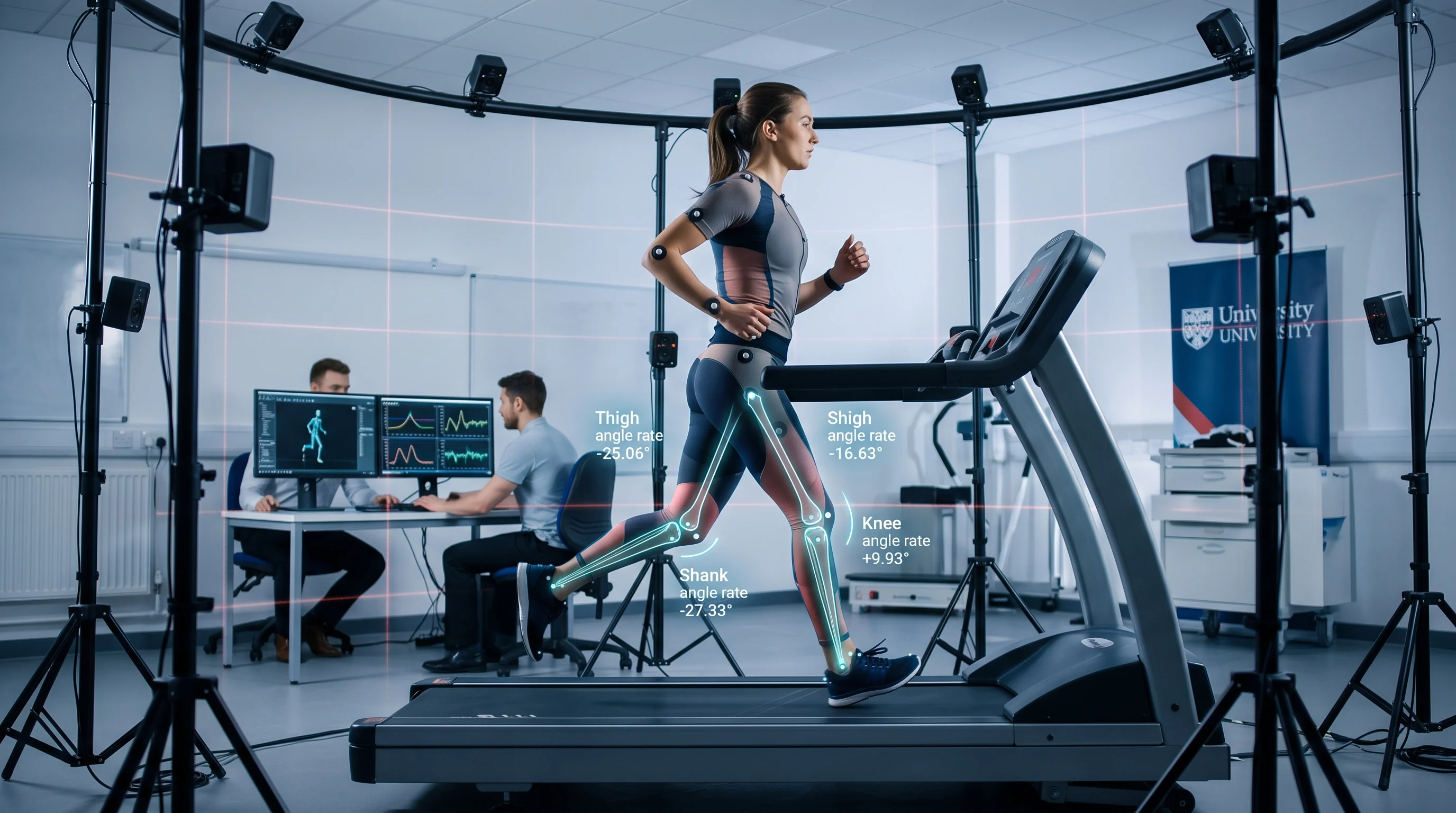
What is 3D segment tracking?
Segment tracking relies on models of the skeleton and algorithms that map sensor data onto that model. When combined with body joint tracking information, it is possible to compute joint centres, intersegmental angles and other kinematic variables that inform coaching and injury prevention.
How depth cameras work for sports tracking
Depth cameras capture distance information for each pixel, producing a 3D view of the scene. Unlike traditional RGB cameras that only record colour, depth sensors sense how far surfaces are from the camera. Common devices used in sports labs and field setups include structured light and time-of-flight sensors; Microsoft Kinect is a well-known example often referenced in kinematic tracking research.
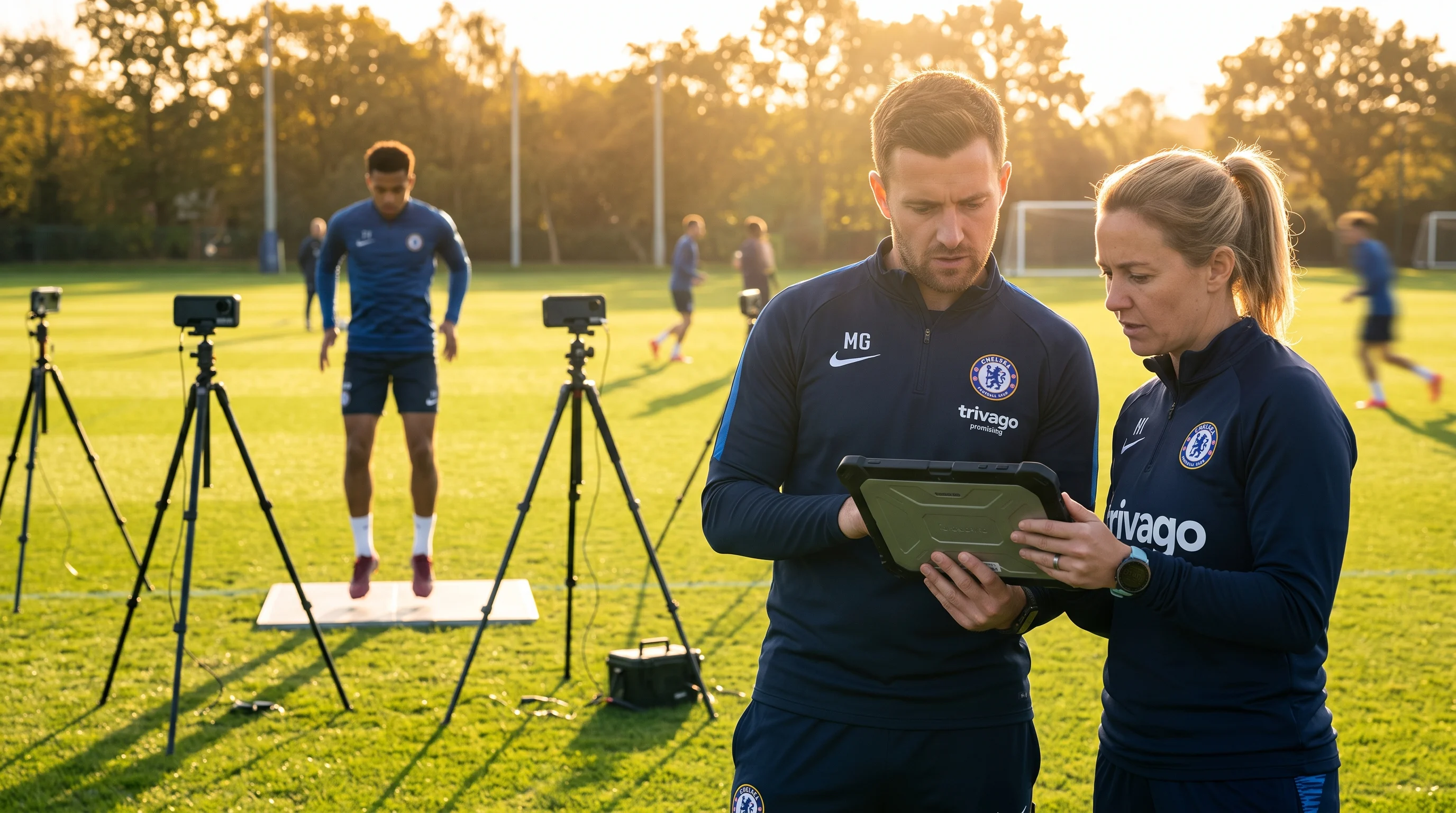
Depth camera sports tracking is attractive because devices are relatively affordable and can operate without markers. This opens up practical, on-field options for teams and schools. The camera produces a point cloud or depth map, which software then processes to identify the human form and track body joints and segments over time.
Gesture recognition and biomechanics: the connection
Gesture recognition biomechanics combines pattern recognition — recognising specific movements or gestures — with biomechanical analysis. For example, a depth camera may detect the pattern of a tennis serve using gesture recognition algorithms and then the biomechanics module quantifies joint angles, segment accelerations and centre-of-mass shifts. This mix provides both 'what' the athlete did and 'how' they did it.
In practice, gesture recognition is useful for automated feedback. A coach might want alerts when a runner’s hip drop exceeds a safe threshold or when a golfer’s swing plane deviates from the model. Biomechanical variables derived from segment tracking help make these alerts meaningful and actionable rather than just descriptive.
Motion capture algorithms and real-time motion capture
Motion capture algorithms convert raw depth data into usable movement metrics. Several steps are involved: human detection, pose estimation, body joint tracking, segment estimation and kinematic computation. Machine learning models and classical computer vision techniques often work together. For real-time motion capture, optimised algorithms run at frame rates that allow live feedback — typically 30 to 60 frames per second depending on hardware and complexity.
Real-time motion capture is becoming viable outside specialist labs. Lightweight algorithms and edge computing let coaches use immediate feedback during training sessions. However, real-time systems trade off some accuracy for speed, so teams must balance latency and precision depending on the use case.
Common systems: Kinect segment tracking and alternatives
Microsoft Kinect was a breakthrough because it provided affordable markerless tracking. Kinect segment tracking systems use skeleton fitting to return positions for major body joints and infer segment orientations. Researchers have extensively studied Kinect’s performance in gait analysis, jump tests and balance assessment. While useful for many applications, Kinect and similar consumer sensors can struggle with occlusion, fast motion and fine joint rotations.
Higher-end alternatives include stereo camera setups, marker-based optical systems and inertial measurement units (IMUs). Optical marker-based systems remain the gold standard for accuracy but are costly and time-consuming. Combining depth cameras with IMUs or improving algorithms can close the accuracy gap while keeping costs lower.
Setup, calibration and best practices
Good data starts with good setup. Place depth cameras so the athlete is clearly visible and avoid backlighting or reflective surfaces that confuse the sensor. For single-camera setups, position the camera at an angle that minimises occlusion of limbs. If using multiple cameras, synchronise them and calibrate spatial alignment so each camera’s data fits a common coordinate system.
Calibration often involves a simple multi-point procedure or using a calibration object. For body joint tracking, ensure the subject wears fitting clothing that shows limb contours. Regularly check the system against known movements or markers to detect drift or misalignment.
Accuracy, limitations and error sources
Understanding error sources helps mitigate them. For instance, multi-camera setups reduce occlusion, while smoothing filters and biomechanical constraints in motion capture algorithms reduce unrealistic joint configurations. Validating a depth-camera pipeline against a marker-based system for your specific test tasks is recommended before using it in research or to guide training decisions.
Applications and case studies in sport
Depth camera sports tracking has been used in many contexts. Examples include gait analysis for rehabilitation, jump and landing mechanics for injury screening in football and rugby, running form analysis for endurance athletes, and swing analysis in golf. Universities and applied labs across the UK have run kinematic tracking research comparing Kinect-based measurements with lab reference systems and reporting reasonable agreement for many practical metrics.
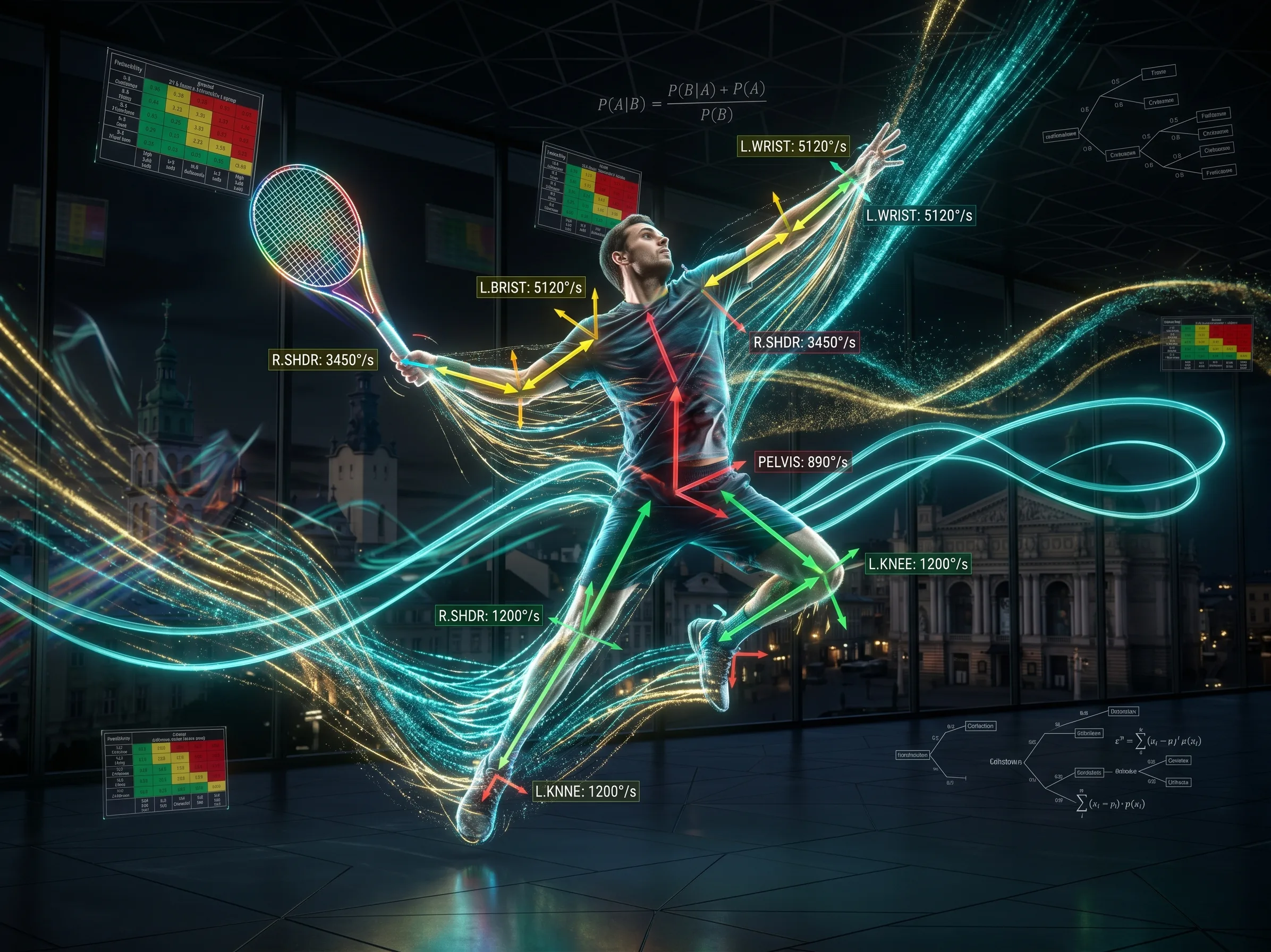
Coaches benefit from quicker assessments and more frequent monitoring. A physiotherapist can detect asymmetries after injury using automated segment tracking, while strength and conditioning staff can quantify movement quality during high-load exercises. For community sport and amateur clubs, depth cameras offer an affordable route to objective movement data.
Trends and future directions
Research and commercial solutions are moving fast. Advances in machine learning have improved pose estimation from depth and RGB cameras, while sensor fusion combines IMU, depth and optical data to boost robustness. Gesture recognition biomechanics will likely become more personalised, using athlete-specific models rather than one-size-fits-all skeletons. Edge computing and lightweight algorithms are enabling more on-device, real-time feedback without cloud delays.
Ethical and privacy considerations are also growing in importance. When tracking athletes, it’s vital to follow data protection rules, inform subjects how data will be used and secure stored datasets. In the UK, research and applied work should align with institutional and legal guidelines for data handling.
Practical checklist for teams and researchers
- Define the main metric you need (e.g., knee valgus angle, hip extension velocity) and check that a depth-camera pipeline can reliably measure it.
- Choose hardware and algorithm trade-offs based on budget, accuracy needs and portability.
- Calibrate regularly and validate against a trusted reference for your key tests.
- Use multi-camera setups or sensor fusion if occlusion or high-speed motion affects measurements.
- Document protocols and privacy consent when working with athlete data.
FAQ
How accurate is 3D segment tracking from depth cameras compared with marker-based systems?
Depth cameras can provide reasonably accurate measures for many practical metrics, but they usually lag behind marker-based optical systems in precision. Accuracy depends on sensor quality, setup, algorithms and the specific movement. Validation against a lab-grade system is recommended for critical decisions.
Can I get real-time feedback with Kinect segment tracking?
Yes. Kinect and similar depth sensors can support real-time motion capture and live feedback at standard frame rates. However, real-time modes may sacrifice some accuracy for speed. Optimised software and a powerful computer help reduce latency.
Is depth camera tracking suitable for high-speed sports movements?
High-speed actions are more challenging because of motion artefacts and occlusion. Using higher frame-rate sensors, multi-camera setups or combining depth cameras with IMUs improves reliability for fast movements.
What are the main research areas in kinematic tracking research today?
Current research focuses on improving pose estimation with machine learning, sensor fusion approaches, personalised biomechanics models, and validating low-cost systems for applied use. There is also strong interest in automating injury risk screening and developing sport-specific movement signatures.
Do I need special clothing or markers for depth camera tracking?
One advantage of depth cameras is they work markerless, but tight-fitting, non-reflective clothing helps the algorithms detect body contours better. Markers are not usually required unless you need the highest possible accuracy and are comparing against marker-based standards.
How should teams handle data privacy for athlete motion data?
Treat movement data as sensitive personal data. Obtain informed consent, store data securely, limit access, and follow UK data protection regulations. If sharing data for research or vendor analysis, anonymise or de-identify where possible.